Property Cleanout Services are professional removal services that clear unwanted furniture, appliances, household goods, debris, and other items from a home, apartment, estate, or other property, then transport them for appropriate disposal, recycling, donation, or reuse. A complete cleanout can cover everything from one room to an entire property.
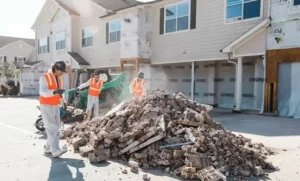
A property cleanout is different from ordinary weekly trash collection. It is designed for situations where a property contains large amounts of unwanted items that need to be removed in a planned and efficient way.
For residents and property owners in Enfield, CT, this can be especially useful after a move, estate transition, eviction, foreclosure, renovation, downsizing, or major decluttering project.
A complete service may include:
- Property assessment
- Item sorting
- Furniture removal
- Appliance removal
- Household junk removal
- Basement and attic cleanouts
- Garage cleanouts
- Estate cleanouts
- Apartment cleanouts
- Loading and hauling
- Donation and recycling diversion
- Final debris removal
- Responsible disposal
The exact items accepted, disposal methods, and price depend on the provider, property conditions, item types, and local disposal rules.
What Does a Complete Property Cleanout Service Include?
A complete Property Cleanout Services appointment usually includes removing unwanted items from the property, carrying them to the vehicle, loading them, transporting them, and directing eligible materials toward donation, recycling, or disposal.
A full-service cleanout may involve several stages:
- Assessment: The provider reviews the property and the items that need to go.
- Planning: The crew determines what needs special handling and how much labor is required.
- Sorting: Items may be separated into reusable, recyclable, and disposal categories.
- Removal: Workers carry items from rooms, garages, basements, attics, or other accessible areas.
- Loading: Items are loaded into an appropriate vehicle.
- Transportation: The collected materials are transported to suitable facilities or organizations.
- Diversion: Reusable items may be donated, while eligible materials may be recycled.
- Disposal: Remaining materials are handled according to applicable disposal requirements.
- Final check: The property can be checked for remaining unwanted items or loose debris.
This process can save property owners from making repeated trips to disposal facilities.
It can also reduce the physical work involved in moving heavy furniture, appliances, boxes, mattresses, and other bulky materials.
What Is the Difference Between a Property Cleanout and Regular Junk Removal?
The main difference is scope: regular junk removal may involve a few selected items, while a property cleanout is usually planned around clearing a larger area or an entire property.
For example:
| Service | Typical Purpose | Common Scope |
| Single-item removal | Remove one unwanted item | Sofa, mattress, appliance |
| Junk removal | Remove several unwanted items | Furniture, boxes, household clutter |
| Room cleanout | Empty a specific room | Bedroom, basement, garage |
| Apartment cleanout | Clear an entire apartment | Furniture, appliances, household goods |
| Estate cleanout | Clear property after an estate transition | Multiple rooms and property areas |
| Property cleanout | Clear a large portion or entire property | House, apartment, estate, rental, or other property |
The scope can change depending on the property and the customer’s needs.
Who Needs Property Cleanout Services?
Property owners, landlords, families, executors, real estate professionals, and tenants may need Property Cleanout Services when a property contains more unwanted material than they can reasonably remove themselves.
Common situations include:
What Happens When a Family Needs an Estate Cleanout?
An estate cleanout helps remove unwanted belongings from a property after an owner has moved, passed away, or transferred ownership.
Estate cleanouts can be emotionally and physically difficult because a lifetime of belongings may remain inside the home.
An estate property cleanout in Enfield, CT may include:
- Furniture
- Clothing
- Kitchen items
- Bedroom furniture
- Books
- Household decorations
- Appliances
- Electronics
- Boxes
- Garage items
- Basement contents
- Attic contents
- General household clutter
Families may first need to identify important documents, photographs, jewelry, financial records, personal items, and other possessions before arranging removal.
A cleanout company generally removes the items that the owner or family has already identified for removal. It should not decide which personal belongings have financial or sentimental value.
When Do Landlords Need Property Cleanout Services?
Landlords often use property cleanouts when a rental unit is left with unwanted belongings after a tenant moves out or an eviction is completed.
A rental property may require removal of:
- Old furniture
- Mattresses
- Appliances
- Boxes
- Household debris
- Broken items
- Yard-related debris
- Miscellaneous junk
For landlords, speed can matter because an empty, usable property can be prepared for cleaning, inspection, repairs, or a new tenant.
When Do Homeowners Need a Home Cleanout?
Homeowners may need home cleanout services when they are downsizing, moving, renovating, decluttering, or preparing a home for sale.
A home cleanout can involve:
- Bedrooms
- Living rooms
- Dining rooms
- Kitchens
- Basements
- Garages
- Attics
- Sheds
- Storage areas
The homeowner can normally identify which items should remain and which should be removed before the crew begins.
When Are Cleanouts Useful Before Selling a Property?
A cleanout can help prepare a property for cleaning, repairs, photography, staging, or listing by removing unwanted contents.
An empty or less-cluttered property is easier to inspect and work on.
However, cleanout services are not the same as professional home staging, deep cleaning, mold remediation, or structural repair. These are separate services unless specifically included in the service agreement.
What Types of Properties Can Be Served?
Property cleanout services can be used for many residential and property-management situations, including houses, apartments, estates, rentals, garages, basements, attics, and storage spaces.
The type of property affects the amount of labor, access, volume, and disposal planning involved.
Can Property Cleanout Services Handle Houses?
Yes, a house can be cleaned out room by room or as a complete property, depending on the provider’s capabilities.
A whole-house cleanout may include:
- Living room furniture
- Bedroom furniture
- Dining tables
- Chairs
- Cabinets
- Appliances
- Mattresses
- Boxes
- Household goods
- Basement contents
- Garage items
- Attic contents
Large properties may require more than one vehicle, multiple workers, or multiple visits.
Can an Apartment Be Completely Cleaned Out?
Yes, apartment cleanouts can remove unwanted contents after a move, eviction, estate transition, or other vacancy event.
An apartment cleanout service in Enfield, CT may involve:
- Sofas
- Beds
- Dressers
- Tables
- Chairs
- Appliances
- Boxes
- Clothing
- Household goods
- General junk
Apartment access should be considered before scheduling.
Factors such as:
- Stairs
- Elevators
- Narrow hallways
- Parking
- Building rules
- Loading areas
- Unit location
can affect the amount of labor required.
Can Garages, Basements, and Attics Be Included?
Yes, these areas can often be included when the provider offers whole-property or specialized cleanout services.
These spaces frequently contain items that have accumulated over many years.
Common examples include:
- Old tools
- Shelving
- Boxes
- Lawn equipment
- Furniture
- Seasonal decorations
- Storage containers
- Unwanted household items
Before service, customers should ask whether difficult-access areas are included and whether special handling is available.
What Items Can Be Removed During a Property Cleanout?
Property cleanout crews commonly remove non-hazardous household items such as furniture, appliances, mattresses, boxes, electronics, and general household junk, subject to the provider’s acceptance rules.
The exact list varies by company and local disposal requirements.
What Household Items Are Commonly Removed?
Common items may include:
- Sofas
- Chairs
- Tables
- Dressers
- Bookcases
- Cabinets
- Mattresses
- Box springs
- Desks
- Shelving
- Boxes
- Clothing
- Household decorations
- Small appliances
- Large appliances where accepted
- Exercise equipment
- Tools
- General household clutter
The condition of an item does not automatically determine whether it can be removed. However, condition can affect whether the item can be donated or must be disposed of.
Can Appliances Be Removed?
Many property cleanout providers accept common appliances, but acceptance varies by appliance type and local disposal rules.
Examples may include:
- Refrigerators
- Washing machines
- Dryers
- Ovens
- Dishwashers
- Microwaves
- Air conditioners
Certain appliances contain refrigerants or other regulated components and may require specialized handling.
For example, Enfield’s official transfer-station rules list a $20 per-unit fee for refrigeration units, including refrigerators, air conditioners, and dehumidifiers.
That local rule illustrates why property owners should not assume that every disposal location accepts every appliance in the same way.
Can Electronics Be Removed?
Electronics may be removable, but they often require a separate recycling or disposal pathway.
Examples include:
- Televisions
- Computers
- Monitors
- Printers
- Microwaves
- Other electronic equipment
Enfield’s Transfer Station states that residents can bring televisions, microwaves, and electronics without a disposal fee when applicable requirements are met.
The Town also states that electronics can be taken to its electronics recycling area.
Are Construction Materials Included?
Construction and demolition materials should be confirmed separately because they may be subject to different disposal rules from ordinary household junk.
Examples include:
- Sheetrock
- Concrete
- Asphalt
- Roofing materials
- Demolition debris
- Large quantities of lumber
- Windows
- Certain renovation waste
Enfield specifically excludes several construction-related materials from its regular bulky-waste pickup program, including demolition materials, asbestos, shingles, sheetrock, concrete, and certain glass items.
This is an important distinction: a property cleanout is not automatically the same thing as construction debris removal.
What Items Are Usually Not Accepted?
Hazardous, regulated, contaminated, or otherwise restricted materials may require specialized disposal rather than ordinary property cleanout service.
Potentially restricted items can include:
- Household hazardous waste
- Chemicals
- Solvents
- Certain paints
- Fuels
- Propane tanks
- Compressed gas cylinders
- Medical waste
- Biohazardous materials
- Asbestos
- Certain batteries
- Some pesticides
- Certain automotive fluids
- Explosives or ammunition
- Severely contaminated materials
Acceptance policies vary, so customers should ask before scheduling.
Enfield’s municipal bulky-waste program does not accept household hazardous waste, asbestos, paint, oil, batteries, tires, concrete, and several other restricted materials.
A responsible cleanout provider should not simply place restricted materials into an ordinary junk load.
How Does the Property Cleanout Process Work?
A professional property cleanout generally follows a planned sequence from assessment and scheduling through removal, loading, transportation, diversion, and final disposal.
What Should You Do Before the Cleanout?
Before the crew arrives, separate important belongings and clearly identify anything that must stay.
This is especially important for estate cleanouts.
A useful preparation checklist includes:
- Remove personal documents.
- Secure money and valuables.
- Set aside photographs and sentimental items.
- Identify furniture that should remain.
- Separate items intended for family members.
- Identify items being sold.
- Mark items for donation if desired.
- Identify restricted or hazardous materials.
- Confirm access points.
- Ask about building or parking rules.
Do not assume that workers will know which items have sentimental or financial value.
How Is the Property Assessed?
The provider evaluates the amount and type of material, access conditions, labor requirements, and disposal needs before determining the service plan or price.
Important factors can include:
- Number of rooms
- Item volume
- Number of large items
- Weight
- Stairs
- Elevator access
- Distance to the truck
- Tight hallways
- Outdoor access
- Disassembly needs
- Special handling
- Disposal requirements
A small property with difficult stairs may require more labor than a larger property with easy ground-level access.
How Are Items Removed?
The crew removes approved items from the locations where they are stored and carries them to the collection vehicle when full-service removal is included.
This may involve:
- Carrying
- Lifting
- Moving
- Disassembly
- Loading
- Securing materials
- Protecting access areas where appropriate
For large items, workers may need to determine the safest route through doors, hallways, staircases, or elevators.
What Happens After Items Are Loaded?
After loading, materials are transported to appropriate donation, recycling, processing, or disposal destinations.
The exact destination depends on:
- Material type
- Item condition
- Local facilities
- Donation demand
- Recycling availability
- Disposal requirements
A responsible process does not mean that every item will be recycled. Some materials cannot be economically or technically recycled and may require disposal.
How Do Eco-Friendly Disposal and Donation Diversion Work?
Eco-friendly cleanout practices focus on keeping usable and recyclable materials out of disposal streams when practical, with reuse and recycling generally preferred over landfill disposal.
The U.S. Environmental Protection Agency’s waste-management hierarchy places source reduction and reuse above recycling, energy recovery, and disposal.
That hierarchy provides a useful framework for property cleanouts.
What Happens to Usable Items?
Usable items may be directed toward donation or reuse when their condition, local demand, and receiving organizations allow it.
Potentially reusable items include:
- Furniture
- Clothing
- Kitchenware
- Books
- Household goods
- Certain appliances
- Certain building materials
Donation is not guaranteed for every item.
A charity may reject something because it is:
- Damaged
- Dirty
- Unsafe
- Broken
- Contaminated
- Out of demand
- Too difficult to handle
Why Is Reuse Important?
Reuse extends the useful life of products and can reduce the need to manufacture replacement products.
EPA identifies reuse as one of the preferred strategies in its materials-management hierarchy.
This means a cleanout should not automatically treat every unwanted item as trash.
For example, a usable table may have more value as a donated piece of furniture than as landfill material.
What Happens to Recyclable Materials?
Recyclable materials can be separated and sent to appropriate recycling facilities when local infrastructure and material requirements allow.
Common recyclable categories may include:
- Cardboard
- Certain metals
- Certain electronics
- Certain plastics
- Paper
- Selected building materials
However, recycling depends on the local market and facility.
Enfield’s Transfer Station provides separate pathways for materials such as scrap metal, cardboard, electronics, and textiles.
Is Landfill Disposal Always Avoidable?
No, some materials ultimately require disposal because they are damaged, contaminated, non-recyclable, or not accepted by reuse and recycling programs.

A truthful cleanout service should not promise that every item will be donated or recycled.
Instead, responsible disposal means selecting the most appropriate available pathway for each material.
EPA explains that no single waste-management approach is suitable for every material or circumstance.
What Does Enfield, CT Allow for Bulky Waste?
Enfield provides municipal options for certain bulky materials, but residents must follow local rules, fees, and restrictions.
The Town of Enfield states that its bulky-waste collection is available by appointment for items too large for normal weekly refuse collection, including items exceeding 60 pounds or greater than five feet across. The listed fee is $150 per truckload.
Accepted bulky items listed by the Town include:
- Appliances, with specified exclusions
- Carpets
- Linoleum
- Furniture
- Mattresses
- Box springs
- Metal
- Scrap wood and lumber meeting specified requirements
The Town also states that bulky pickup is not provided at apartment or condominium complexes.
This is one reason a private estate clean out service near me or full-service property cleanout may be considered when a customer needs more hands-on removal.
How Much Do Property Cleanout Services Cost?
Property cleanout pricing depends on the volume of material, labor, item type, access, transportation, disposal costs, and the provider’s pricing model.
There is no single national price that accurately applies to every property.
Important pricing factors include:
| Pricing Factor | Why It Matters |
| Volume | More material generally requires more truck space and labor |
| Item weight | Heavy items require more handling effort |
| Number of workers | Larger cleanouts may need larger crews |
| Stairs | Carrying items upstairs increases labor |
| Elevator access | Building access can affect removal time |
| Disassembly | Some large items require additional work |
| Disposal type | Different materials have different handling costs |
| Location | Transportation and local disposal costs vary |
| Property size | Larger properties can require more time |
| Urgency | Short-notice service may have different pricing |
What Is an Example of Local Disposal Pricing?
Enfield’s municipal fees demonstrate that disposal costs can vary by material and load size.
For example, the Town currently lists:
- $10 for a one-day temporary residential permit
- $10 for an annual residential permit
- $10 for bulky non-yard-waste loads up to 260 pounds
- $0.10 per pound for bulky non-yard-waste loads over 260 pounds
- $20 per refrigeration unit
- No disposal fee for certain materials such as scrap metal and electronics under the listed residential rules
These are municipal disposal fees, not private property-cleanout prices.
A professional service may charge separately for labor, loading, transportation, overhead, and disposal.
What Does LoadUp Say About Pricing?
LoadUp describes its pricing as upfront and location-dependent, with pricing calculated based on the selected items, service conditions, and ZIP code.
Its published 2026 pricing information explains that its online price can include an area service fee covering transportation, labor, routing, scheduling, support, and disposal or recycling handling where applicable.
LoadUp also states that larger pickups can receive volume discounts and that certain conditions, such as stairs, heavy items, or disassembly, can affect the final price.
For a full property cleanout, customers should request a quote based on the actual property rather than relying on a generic per-item estimate.
What Should You Ask Before Booking Property Cleanout Services?
Before booking, ask exactly what is included, what is excluded, how pricing works, and how removed items will be handled.
A useful question list includes:
- Is labor included?
- Will the crew remove items from inside the property?
- Are stairs included?
- Are basements and attics included?
- Are appliances accepted?
- Are electronics accepted?
- Are mattresses accepted?
- Are construction materials accepted?
- Are there extra fees for heavy items?
- Is disassembly available?
- Is disposal included?
- Are donations available?
- Are recyclable materials separated?
- How is the final price calculated?
- Are there cancellation fees?
- Is proof of donation available when applicable?
- Is the provider insured?
- Are crews trained for heavy lifting?
- Does the provider serve the specific Enfield property?
- What items must the customer dispose of separately?
These questions can prevent unexpected costs and misunderstandings.
How Can Property Owners Prepare for a Faster Cleanout?
The fastest cleanouts usually begin with clear decisions about what stays, what goes, and what requires special handling.
What Should Be Removed Before the Crew Arrives?
Customers should remove personal valuables, documents, medications, financial records, and sentimental items before the cleanout begins.
For estate cleanouts, this step is especially important.
Consider separating:
- Birth certificates
- Passports
- Bank records
- Tax documents
- Insurance documents
- Family photographs
- Jewelry
- Personal letters
- Legal documents
- Collectibles
- Heirlooms
A cleanout crew should not be expected to decide whether these items are valuable to a family.
How Should Items Be Organized?
Grouping similar items can make the cleanout easier, but customers do not necessarily need to move heavy items themselves.
Possible groups include:
- Keep
- Sell
- Donate
- Remove
- Recycle
- Special disposal
Clear labels can reduce mistakes.
What Are the Benefits of Professional Property Cleanout Services?
Professional cleanouts can reduce physical work, simplify hauling, consolidate multiple disposal trips, and help property owners move from a cluttered property to a cleared space more efficiently.
How Can a Cleanout Save Time?
A professional crew can handle many items in one planned visit instead of requiring the property owner to make repeated trips.
Without professional help, a large cleanout may require:
- Renting a truck
- Finding helpers
- Loading items
- Driving to disposal facilities
- Waiting at facilities
- Sorting materials
- Returning for additional loads
- Coordinating donation drop-offs
A full-service provider can combine many of these tasks.
How Can It Reduce Physical Work?
Workers can perform lifting and carrying tasks that may otherwise be difficult for property owners.
Large furniture and appliances can be awkward to move through:
- Stairs
- Doorways
- Hallways
- Basements
- Garages
People should not attempt to move very heavy or unstable items without the proper equipment and assistance.
How Can Cleanouts Help Real Estate Preparation?
Removing unwanted contents can help create a clearer property for inspection, cleaning, repairs, photography, staging, or listing.
This can be useful for:
- Estate properties
- Rental properties
- Foreclosures
- Vacant homes
- Inherited homes
- Properties being prepared for renovation
LoadUp’s estate-cleanout information similarly describes cleanout services as a way to prepare properties for listing or move-in.
How Does an Estate Cleanout Differ From a Home Cleanout?
An estate cleanout often involves a larger volume of personal belongings and requires additional care because family members may need to sort valuables, sentimental items, documents, and property contents before removal.
A standard home cleanout may be primarily about decluttering.
An estate cleanout may involve:
- Family decisions
- Multiple beneficiaries
- Estate sale preparation
- Property sale preparation
- Furniture removal
- Household goods
- Personal records
- Donation sorting
- Storage decisions
- Final property clearance
An estate cleanout in Enfield, CT should therefore be planned carefully.
Should an Estate Be Sorted Before Removal?
Yes, important belongings should be identified before the removal crew starts.
A practical order is:
- Identify family keepsakes.
- Secure financial and legal records.
- Remove valuables.
- Decide what will be sold.
- Decide what will be donated.
- Identify items for removal.
- Separate restricted materials.
- Schedule the cleanout.
This approach helps prevent accidental removal of items that the family intended to keep.
How Does an Apartment Cleanout Work?
An apartment cleanout follows the same basic removal process as a house cleanout but may require additional planning for elevators, stairs, parking, loading areas, and building rules.
Apartment cleanouts can occur after:
- A tenant moves out
- An eviction
- A lease termination
- An estate transition
- Downsizing
- Renovation
- Property management turnover
Before scheduling an apartment cleanout service in Enfield, CT, confirm:
- Building access hours
- Elevator reservation rules
- Parking restrictions
- Loading zone availability
- Property manager requirements
- Insurance requirements
- Rules for large-item removal
These details can affect the cleanout schedule.
What Makes a Property Cleanout Eco-Friendly?
An eco-friendly property cleanout prioritizes reuse and donation first, followed by recycling where practical, and uses disposal for materials that cannot reasonably be recovered.
This approach aligns with EPA’s waste-management hierarchy.
What Is the Preferred Disposal Order?
A practical hierarchy is to prevent waste where possible, reuse or donate usable items, recycle suitable materials, and dispose of remaining waste responsibly.
In simple terms:
- Keep or reuse
- Donate
- Recycle
- Recover materials where practical
- Dispose of remaining waste
EPA identifies source reduction and reuse as preferred approaches before recycling and disposal.
What Can Be Donated?
Items in usable condition may be eligible for donation if a local organization accepts them.
Potential examples include:
- Good-condition furniture
- Clothing
- Books
- Kitchenware
- Household decorations
- Some appliances
- Certain building materials
Donation acceptance depends on the receiving organization’s rules.
LoadUp states that its network makes efforts to donate usable items, while noting that eligibility depends on condition and local charity acceptance.
What Can Be Recycled?
Materials such as metals, cardboard, selected electronics, textiles, and other accepted materials may be recyclable depending on local infrastructure.
Enfield’s Transfer Station specifically provides recycling pathways for several categories, including cardboard, scrap metal, electronics, and textiles.
How Does Northeast Residential Help With Property Cleanout Needs in Enfield, CT?
Northeast Residential can position its property cleanout service around organized removal, careful handling, efficient hauling, and appropriate disposal for residential properties in Enfield, CT.
For customers looking for estate property cleanout in Enfield, CT, the most important service questions are whether the provider can handle the property’s size, item volume, access conditions, and disposal requirements.
A professional residential cleanout approach can support:
- Home cleanouts
- Estate cleanouts
- Apartment cleanouts
- Garage cleanouts
- Basement cleanouts
- Attic cleanouts
- Move-related cleanouts
- Decluttering projects
- Property preparation
- Furniture removal
- Appliance removal
- General household junk removal
Customers should confirm accepted items and service scope before scheduling, particularly for hazardous materials, construction debris, appliances requiring special handling, and regulated waste.
Why Choose LoadUp for Property Cleanout Services?
LoadUp is a nationwide junk-removal platform that offers full-service property cleanouts, upfront pricing, online booking, and local removal teams, with donation and recycling options when local conditions allow.
LoadUp states that its property cleanout service is available for homeowners, businesses, REO properties, landlords, estates, apartments, garages, attics, basements, and other property situations.
Its published service information highlights several features:
| Feature | What It Means |
| Full-service removal | Crews can remove items from inside or outside |
| Upfront pricing | Pricing is shown before booking |
| Online booking | Customers can schedule digitally |
| Local teams | Service is performed through local providers |
| Donation options | Eligible usable items may be donated |
| Recycling | Recyclable materials may be diverted where facilities allow |
| Large-item removal | Bulky furniture and other large items can be handled |
| Property cleanouts | Larger residential cleanout projects are supported |
| Tracking | Certain services provide order tracking |
| Flexible scheduling | Availability varies by location |
LoadUp states that its estate cleanout service includes removal, hauling, and eco-friendly disposal options, including donation and recycling through local charities and recycling centers.
Its pricing information also states that customers can receive an upfront online price based on ZIP code and selected items, with additional adjustments possible for factors such as stairs, heavy items, and disassembly.
It is important to distinguish LoadUp’s nationwide platform from Northeast Residential. If a customer is considering a particular local provider, they should verify the provider’s exact service area, availability, pricing, accepted materials, and relationship with any national platform before booking.
What Should You Compare When Choosing a Property Cleanout Company?
The best comparison is based on service scope, transparent pricing, accepted materials, disposal practices, scheduling, and the amount of physical work included rather than on price alone.
| Factor | What to Check | Why It Matters |
| Service area | Enfield coverage | Confirms local availability |
| Full-service removal | Inside pickup available | Reduces customer labor |
| Pricing | Written or upfront quote | Helps avoid surprises |
| Item acceptance | Furniture, appliances, electronics | Prevents rejected items |
| Restricted materials | Hazardous waste policy | Supports safe disposal |
| Donation | Donation process | Helps reusable goods find another use |
| Recycling | Recycling options | Supports material recovery |
| Access | Stairs, basement, attic | Affects labor |
| Scheduling | Available dates | Helps coordinate property work |
| Insurance | Coverage information | Provides additional protection |
| Disposal | Responsible handling | Reduces improper disposal risk |
A clear scope of work is one of the most important parts of choosing a provider.
What Should a Complete Property Cleanout Checklist Include?
A complete cleanout checklist should cover the property, items, access, special materials, disposal choices, scheduling, and final inspection.
Property Checklist
- Bedrooms checked
- Bathrooms checked
- Kitchen checked
- Living areas checked
- Dining area checked
- Basement checked
- Attic checked
- Garage checked
- She’d checked
- Outdoor areas checked
- Storage areas checked
Item Checklist
- Furniture
- Mattresses
- Appliances
- Electronics
- Clothing
- Books
- Boxes
- Kitchenware
- Tools
- Exercise equipment
- Decorations
- General clutter
Important-Item Checklist
- Identification documents
- Financial records
- Legal records
- Photographs
- Jewelry
- Collectibles
- Family heirlooms
- Medication
- Keys
- Property records
Service Checklist
- Quote requested
- Accepted items confirmed
- Restricted items identified
- Donation options discussed
- Recycling options discussed
- Access confirmed
- Parking confirmed
- Service date confirmed
- Final inspection planned
What Common Mistakes Should You Avoid During a Property Cleanout?
The biggest cleanout mistakes include failing to separate important belongings, assuming every item is accepted, overlooking restricted materials, and choosing a service without understanding the final price.
Mistake 1: Removing Items Before Sorting
If family members have not reviewed the property, valuable or sentimental items can be mixed with ordinary household goods.
Mistake 2: Assuming Everything Can Be Donated
Not every item is suitable for donation.
Organizations may reject:
- Broken furniture
- Heavily stained mattresses
- Unsafe appliances
- Contaminated items
- Damaged goods
Mistake 3: Ignoring Local Disposal Rules
Municipal facilities have specific rules.
For example, Enfield’s transfer station and bulky-waste program have different acceptance requirements and restrictions.
Mistake 4: Choosing a Provider Based Only on a Low Quote
A low initial price may not include:
- Inside labor
- Stairs
- Heavy lifting
- Disassembly
- Disposal
- Special materials
Always compare the complete service scope.
Mistake 5: Forgetting About Access
A truck may be able to reach the property, but the crew still needs a practical path from the item to the vehicle.
Frequently Asked Questions
What Are Property Cleanout Services?
Property Cleanout Services are professional services that remove unwanted household items, furniture, appliances, debris, and other approved materials from a property and transport them for donation, recycling, processing, or disposal.
How Much Do Property Cleanout Services Cost?
The cost depends on volume, labor, item type, property access, transportation, disposal requirements, and location. A property-specific quote is more accurate than a general national price.
What Is an Estate Cleanout?
An estate cleanout removes unwanted belongings from a property after an estate transition, such as the death, move, or transfer of a property owner. Important personal and financial belongings should be separated before removal.
Where Can I Find an Estate Clean Out Service Near Me?
Residents searching for an estate clean out service near me should compare local service area, accepted items, pricing, disposal methods, scheduling, and whether the provider offers full-service removal.
Does Enfield, CT Have Bulky-Waste Disposal?
Yes, Enfield provides a bulky-waste collection program and operates a Transfer Station, but each program has specific rules, fees, and prohibited materials.
Can an Apartment Be Completely Cleaned Out?
Yes, an apartment can be cleaned out after a move, eviction, estate transition, or other vacancy event, subject to the provider’s service scope and building access requirements.
Can Furniture and Appliances Be Removed?
Many property cleanout providers remove furniture and appliances, but customers should confirm accepted items before booking because certain appliances may require special disposal.
Are Property Cleanout Services Environmentally Friendly?
They can be more environmentally responsible when usable items are reused or donated and eligible materials are recycled before remaining waste is disposed of. EPA’s waste hierarchy prioritizes reduction, reuse, and recycling over disposal.
Conclusion: What Does a Complete Property Cleanout Service Include?
A complete Property Cleanout Services project can include much more than simply hauling junk away. It may involve planning, sorting, furniture and appliance removal, heavy lifting, loading, transportation, donation, recycling, and responsible disposal.
For homeowners looking for home cleanout services, families arranging an estate cleanout in Enfield, CT, landlords preparing rental properties, or customers needing an apartment cleanout service in Enfield, CT, understanding the complete process makes it easier to choose the right service.
Local disposal rules also matter. Enfield has specific requirements for bulky waste, electronics, appliances, hazardous materials, and other categories, so customers should confirm the correct disposal pathway before beginning a large cleanout.
Northeast Residential can be considered for residential cleanout needs in Enfield, CT, while customers should confirm the exact service scope, accepted materials, pricing, and scheduling before booking.
Ready to clear an unwanted property, estate, apartment, basement, garage, or home? Contact Northeast Residential to discuss your property cleanout needs and request service details for your Enfield, CT property.